Prostatitis affects the prostate gland and surrounding tissues
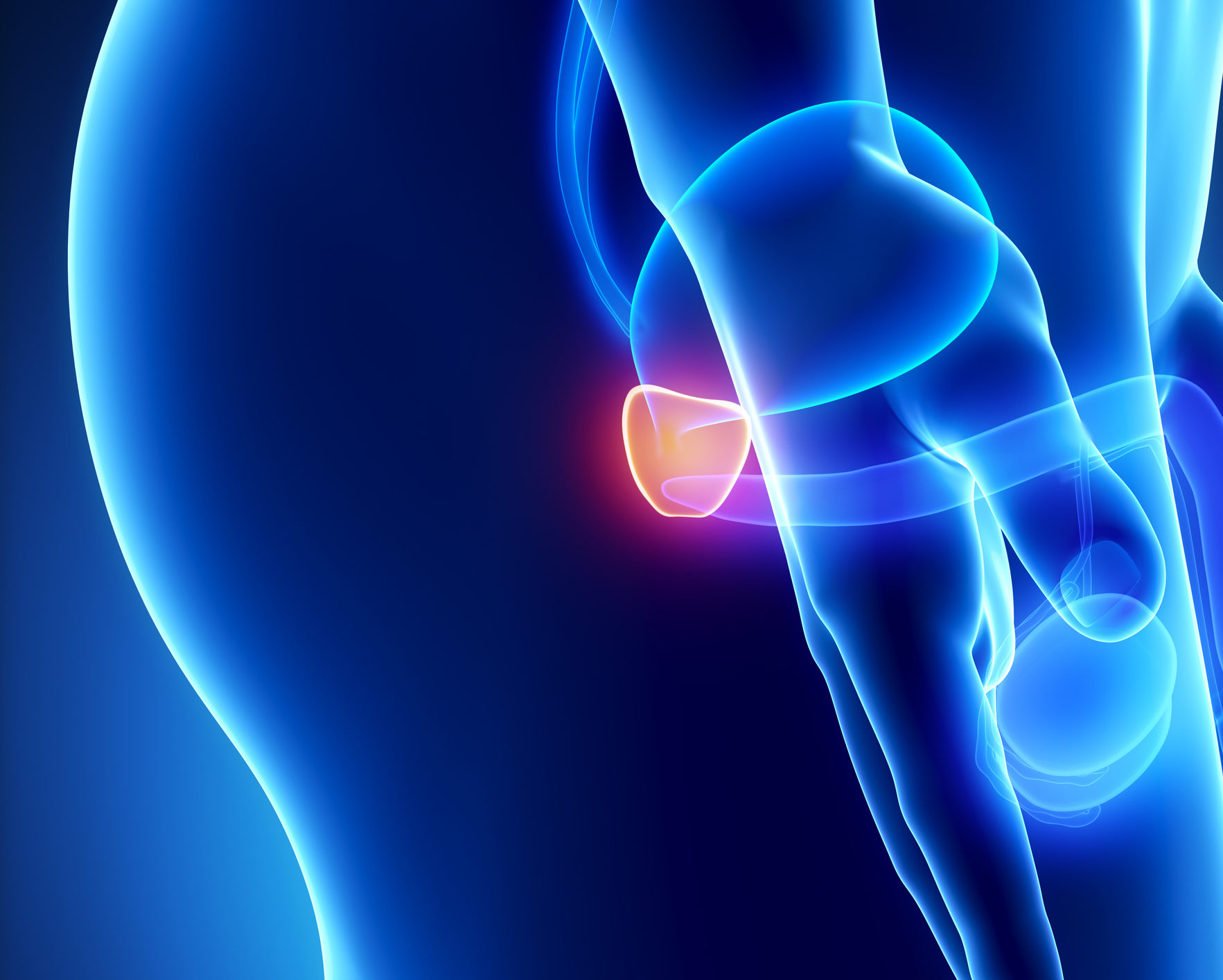
Prostatitis is an inflammation of the prostate that is relatively common among men. Some estimates suggest that up to 50% of men will have an encounter with this urologic condition during their lifetime. It can be acute (sudden and severe), or chronic (ongoing). It can also be bacterial or non-bacterial. It’s important to know that prostatitis is not prostate cancer.
Types of prostatitis
Symptoms, diagnosis and treatment options vary for the different types of prostatitis. For a proper diagnosis, it’s important to outline specific symptoms while being evaluated.
As its name suggestions, acute bacterial prostatitis is caused by a bacterial infection. This form of inflammation is the least common to be diagnosed. When it is diagnosed, it is generally found among younger and middle aged men.
Chronic bacterial prostatitis is like acute bacterial prostatitis in many ways, except it’s slower to develop and has less severe symptoms. Men with this condition often have recurring urinary tract infections.
Chronic non-bacterial prostatitis (also known as chronic pelvic pain syndrome or CPPS) is the most common type to be diagnosed. The underlying cause for CPPS is not entirely known, but research suggests that it may be due to inflammation or muscle spasms in the pelvic floor muscles.
Symptoms
Symptoms will vary based on the type of inflammation being diagnosed. However, several symptoms overlap. The following details some of the symptoms based on each type.
Acute bacterial / Chronic bacterial prostatitis
For the acute form of inflammation, the following symptoms generally manifest suddenly and severely. With chronic bacterial prostatitis, men will experience similar symptoms, but they will progress more slowly and will feel less severe. Symptoms for both forms of bacterial inflammation can include:
- Chills
- Fever
- Severe burning during urination
- An inability to empty the bladder during urination
- Urinary frequency (especially at night – Nocturia)
- Perineal, testicular, bladder and low back pain
- Painful ejaculation
Chronic non-bacterial / Chronic pelvic pain syndrome
With this type of inflammation, men may experience the following:
- Difficult, sometimes painful, urination.
- Discomfort or pain in the perineum, bladder, testicles and penis.
- Difficult and painful ejaculation.
Diagnosis steps
Treatment options will vary based on the type of prostatitis diagnosed. During evaluation, the following tools will be used to determine the type of inflammation a patient is experiencing:
- Evaluation of current symptoms and medical history.
- In-office examination, including a prostate exam (digital rectal exam).
- Transrectal ultrasound – If necessary, an ultrasound will enable the physician to visualize the prostate gland.
Treatment options
Treatment will depend on the type of inflammation that is diagnosed. If the patient has an acute or chronic bacterial form, antibiotics will be prescribed. For the chronic non-bacterial form or CPPS, antibiotics will also be prescribed initially. However, this form of inflammation typically doesn’t respond to antibiotic treatment. In the event that antibiotics are ineffective, the following treatment options are considered:
- Alpha-blockers
- Anti-inflammatory drugs
- Muscle relaxants
- Plant extracts or vitamins
- Repetitive prostatic massage to drain the prostate ducts
- Physical therapy
Inflammation of the prostate can be a painful condition for men. If you are experiencing symptoms and would like an evaluation, contact Urology Austin to schedule an appointment.