 Prostate Cancer and Androgen Deprivation Therapy
Each year, thousands of men are diagnosed with prostate cancer. Prostate cancer is an androgen dependent cancer meaning its growth is fueled by androgens, specifically the sex hormone testosterone. Androgen Deprivation Therapy (ADT) is used to diminish testosterone levels by inhibiting its production in the testes and adrenal glands. Several types of medications have been approved for ADT treatment including Luteinizing hormone-releasing hormone (LHRH) analogues (Lupron), Luteinizing hormone-releasing hormone (LHRH) antagonists (Firmagon), and Antiandrogens (Xtandi, Erleada and Nubeqa). ADT is utilized for both localized and advanced prostate cancer temporarily, intermittently or on a continuous basis. ADT is a form of prostate cancer treatment; not the only treatment. Depending on certain criteria, it is commonly used in combination with radiation therapy. It may also be used with biochemical recurrence prostate cancer and advanced prostate cancer.
How does ADT affect bone health?
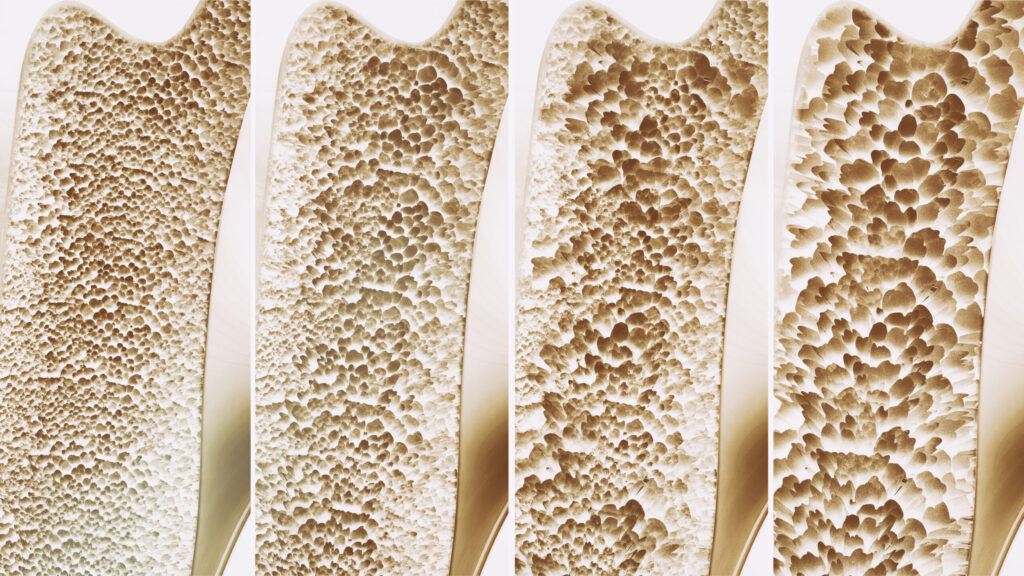
Androgen Deprivation Therapy is used to reduce testosterone levels in order to prevent cancer growth. However, testosterone is important to the body because it helps regulate bone health. When testosterone is depleted, bone health is at risk. Men who are being treated with ADT are susceptible to developing Osteopenia (weakening of the bones), Osteoporosis (bone loss), bone fractures and breaks. This becomes particularly problematic in older patients due to the natural decrease of bone density due to aging.
How to take care of bones during Androgen Deprivation Therapy
Men who are undergoing Androgen Deprivation Therapy can work to support their bones by practicing good bone health. Their provider will also make recommendations for promoting strong bones. As a basic guideline, the National Osteoporosis Foundation recommends the following:
- Establish good dietary habits by incorporating foods that are naturally rich in calcium, or that have been fortified with calcium.
- Supplement your diet with calcium and vitamin D3. Physician management of supplements and dosages is recommended. Your provider may also recommend prescription medications that support bone health such as Prolia (Denosumab), Fosamax (Alendronate) and Zometa (Zoledronic Acid).
- Begin a regular routine of weight-bearing and muscle strengthening exercises to the best of your ability. Weight bearing exercises that are beneficial to bones include running, hiking, brisk walking, and fast movement sports that use the legs such as basketball, racquetball and soccer. Muscle strengthening exercises can include lifting free weights, using weight machines and elastic exercise bands.
- Discontinue smoking and minimize alcohol intake.
- Talk to your doctor about prescription medications that you are currently taking to make sure they do not negatively impact bone health.
Bone imaging
Since Androgen Deprivation Therapy depletes testosterone levels, it’s important to track how ADT is affecting bones. In order for the provider to monitor a patient’s bone health, they may be asked to undergo a bone density test.
A bone density test is a diagnostic tool in which x-ray imaging measures the density of minerals in bone while checking for the presence of Osteopenia or Osteoporosis. When bones are dense and strong, they are less likely to fracture or break. The results of a bone density scan will assist the provider in determining bone treatment options when needed.
There are many good and proven treatment options available for prostate cancer. While care is focused on eradicating or managing the disease, it is also important to closely monitor how the bones are being affected by treatment and/or disease progression. We encourage men on Androgen Deprivation Therapy to talk to their doctors about the importance of bone health. We also urge men to have regular prostate cancer screenings after the age of 50 or earlier if you have a family history. Contact Urology Austin to schedule your annual examination with one of our providers.