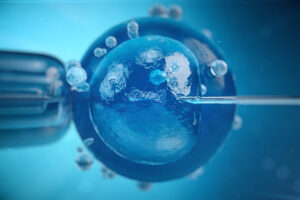
Intracytoplasmic sperm injection (ICSI) for male infertility.
An intracytoplasmic sperm injection (ICSI) is an assisted reproductive technique used to bring sperm closer to an egg to achieve fertilization. For those choosing this procedure, the cause of male infertility may not have been identified, or other treatment options did not resulted in a successful pregnancy.
Before an ICSI injection, sperm must be obtained. Procedures for retrieving sperm for include:
Intracytoplasmic sperm injection is a micro-manipulative technique for injecting a single sperm into an egg.
Intracytoplasmic sperm injection has revolutionized the treatment for severe and otherwise nontreatable male factor infertility. Success rates with ICSI varies with each IVF (in vitro fertilisation) center and the skill of the technologist. When couples choose ICSI to achieve pregnancy, they will receive counseling regarding potential genetic defects.
The ICSI procedure
The early stages of ICSI are the same as for standard IVF. The female partner is prescribed fertility drugs to stimulate her ovaries with an aim of growing several mature follicles. Next, her eggs are collected, with the assistance of a vaginal ultrasound scan, and placed into a specially prepared culture medium. Once collected, the eggs are examined, under a microscope, to assess their quality. The eggs are then placed in an incubator for 3 to 6 hours. Afterwards, the eggs are removed from the incubator and cells surrounding the egg are removed. This process helps to gauge the maturity of the eggs since the ICSI procedure can only be performed on mature eggs. Immature eggs can be kept in the culture medium and injected the following day if they show signs of maturation.
Sperm collection from either ejaculate or aspiration (MESA or TESE) are prepared using a special cultured medium. Sperm preparation may also be obtained from a frozen semen sample or testicular tissues.
Once the most viable eggs have been selected, a chosen sperm is rendered immobile, then drawn into the tip of a fine glass needle. When ready, the sperm will be carefully injected directly into the egg. The egg is held in place by gentle suction on the opposite side using a holding pipette. This very delicate procedure, will be repeated for each egg. The elastic nature of the egg membrane means that the tiny hole, created by the needle, closes very quickly. About 5% of injected eggs may be damaged during this procedure.
Injected eggs will be examined the next morning for signs of fertilization. Any developing embryos are allowed to grow and cleave (divide) for 24 to 48 hours. Not all fertilized eggs will divide and some embryos may arrest (stop growing) at an early stage of development. Any excess embryos, of suitable quality, are then frozen for later transfer.
Male factor fertility can be influenced by a wide spectrum of medical problems. Evaluation and treatment from a urologist with expertise in male infertility is crucial. If you have male infertility concerns, contact Urology Austin to schedule an appointment.